How to Maximise Value from Your End-of-Life Van or Truck (Essex)
Scrapping a commercial vehicle can put a decent bit of money back in your pocket
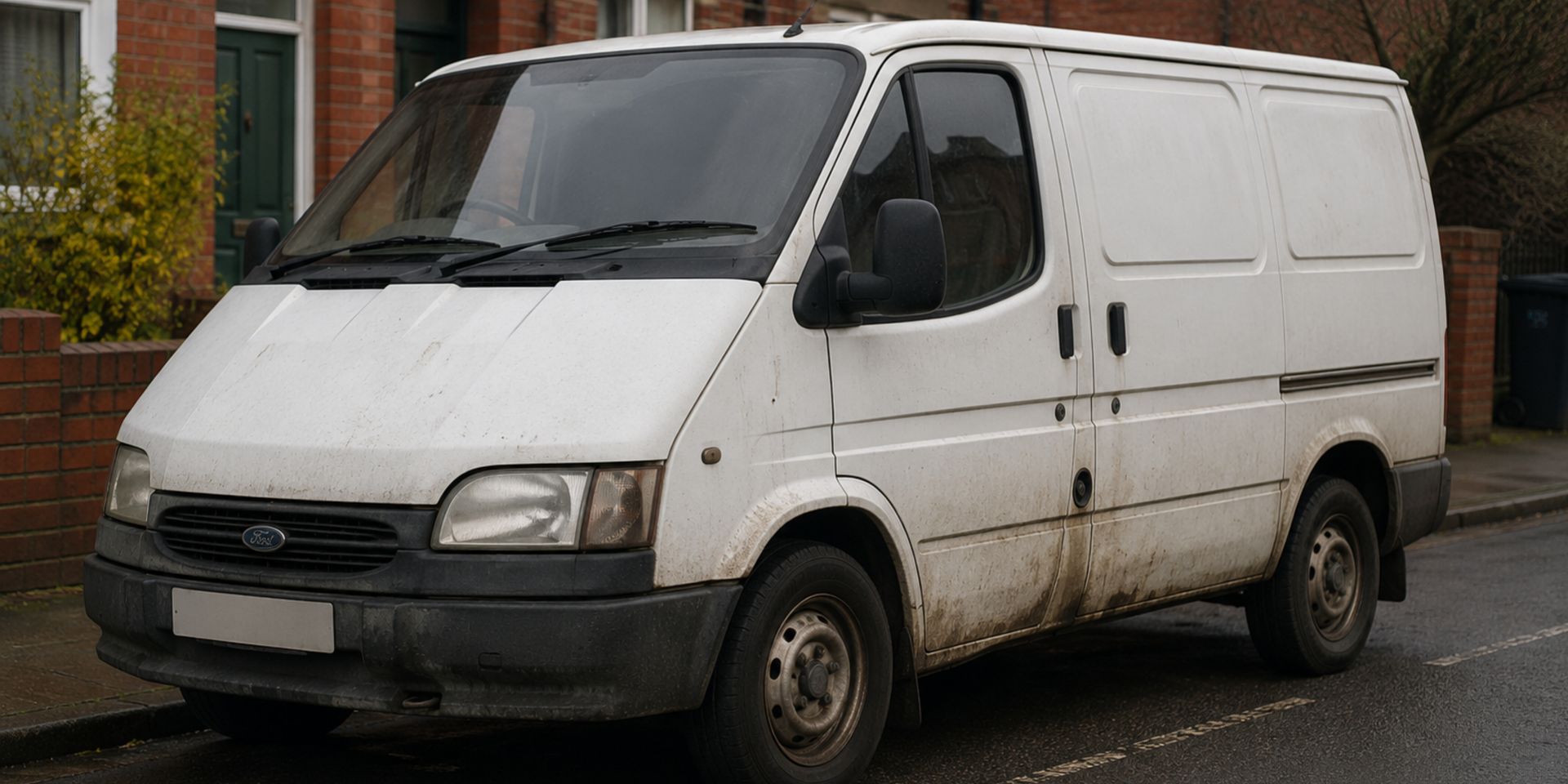
If you’ve got a van or truck that’s finished its working life, it shouldn’t just be “get rid of it and hope for the best”. Done properly, scrapping a commercial vehicle can put a decent bit of money back in your pocket - especially compared to a normal car.
We see it all the time around Benfleet and across Essex: people lose value by stripping bits off, guessing the details, or leaving the vehicle sat for months until it’s half sunk into the drive. Here’s how to get the best return without the hassle.
Why vans and trucks can be worth more than cars
Simple reason: weight and metal.
A standard car might be around 1.2 tonnes. Most work vans are heavier than that, and once you get into bigger trucks you’re talking serious weight.
More metal usually means a better payout - because that’s what the value is based on at the end of the day.
Commercial vehicles are built tougher too. Thicker steel, heavier chassis, stronger suspension parts… it all adds up.
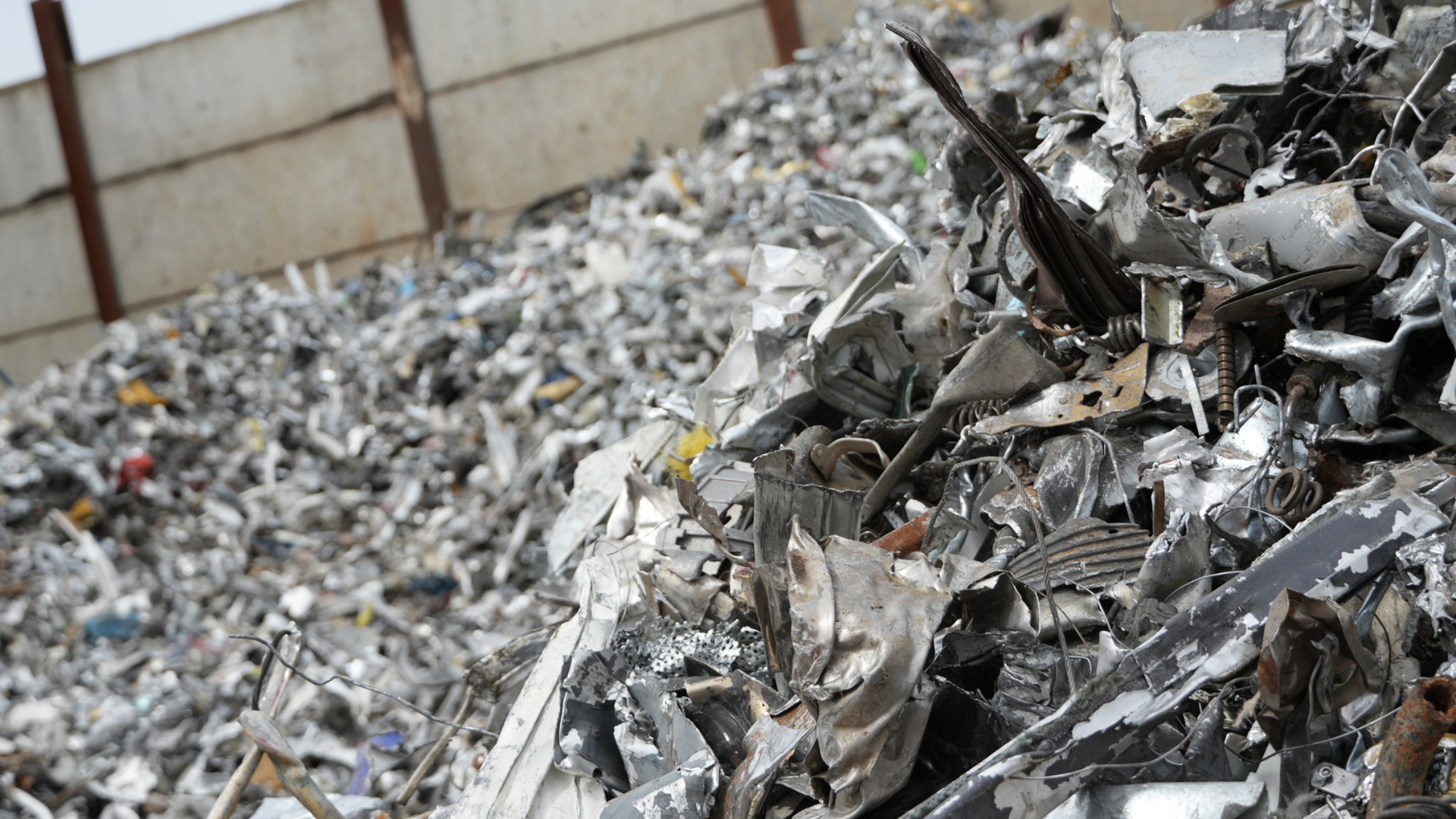
What actually affects your scrap price?
1) Weight (and what it’s made of)
The heavier the vehicle, the more metal there is to recycle. That’s why a long-wheelbase van can come out noticeably higher than a small short-wheelbase one, even if they’re both “just Transits” to the average person.
2) Scrap prices this week (not last year)
Scrap prices move around. Some weeks are better than others - that’s just the market. The key thing is making sure you’re getting a fair, up-to-date price, not a number someone’s pulled out of thin air.
3) Whether it’s complete
This is a big one.
If the van turns up missing the catalytic converter, battery, wheels, or bits have been half stripped, you’ll usually see the price drop. Not because anyone’s being awkward - it’s because it changes what can be recovered and how efficiently it can be processed.
Even if it doesn’t run, it can still be worth good money as long as it’s all there.
Quick wins to get the best value (without overthinking it)
Clear it out properly
Work vans are like mobile cupboards. Before collection, check:
- Under seats
- Door pockets
- Glovebox
- Behind the bulkhead
- Toolboxes/racking
- Roof racks, ladders, straps, signage
Once it’s gone, it’s gone - and nobody wants to lose a set of tools in the back.
Don’t strip parts unless you really know what you’re doing
People often think, “I’ll sell the wheels/battery/cat separately and make more.”
Sometimes that works - but most of the time it’s more hassle than it’s worth, and it can actually knock the overall offer down more than you gain.
Give accurate details when you ask for a quote
To get a proper quote, be clear on:
- Make/model
- Year
- Van type (panel van, tipper, pickup, flatbed, etc.)
- Any missing parts
- Whether it runs/rolls/steers
If you’re not sure, just say so - honesty makes it smoother on collection day.
Don’t leave it sat for months “until you get round to it”
Vehicles left standing tend to get worse fast. Rust spreads, tyres go flat, brakes seize, water gets in. Even if it’s still scrap, it can become more awkward to collect and in some cases reduce value.
If it’s not earning money and it’s in the way, it’s usually best to move it on.
What you’ll need (so it doesn’t turn into a headache)
Most of the time you’ll want:
- V5C logbook (ideal)
- Photo ID
- If it’s a business vehicle: something showing you’re authorised to scrap it
And you should always get a Certificate of Destruction once it’s processed properly - that’s your proof it’s been dealt with the right way.
Common mistakes we see (that cost people money)
- Stripping parts and then being surprised the quote drops
- Saying “it’s complete” when it isn’t
- Leaving it sat until it’s half rotted into the ground
- Using a dodgy operator and ending up with paperwork issues later
If you want the best price, keep it simple
If you want a strong price for your end-of-life van or truck:
- Keep it complete
- Be straight about condition
- Get it collected sooner rather than later
- Use a proper local yard that does the paperwork correctly
That’s it. No gimmicks - just doing it the right way.
This is paragraph text. Click it or hit the Manage Text button to change the font, color, size, format, and more. To set up site-wide paragraph and title styles, go to Site Theme.
If you have a question about this blog (or any of our other blogs) then please do not hesitate to get in touch.
We will always try and answer your question quickly and professionally.